
Septic Tank Sizing Calculator
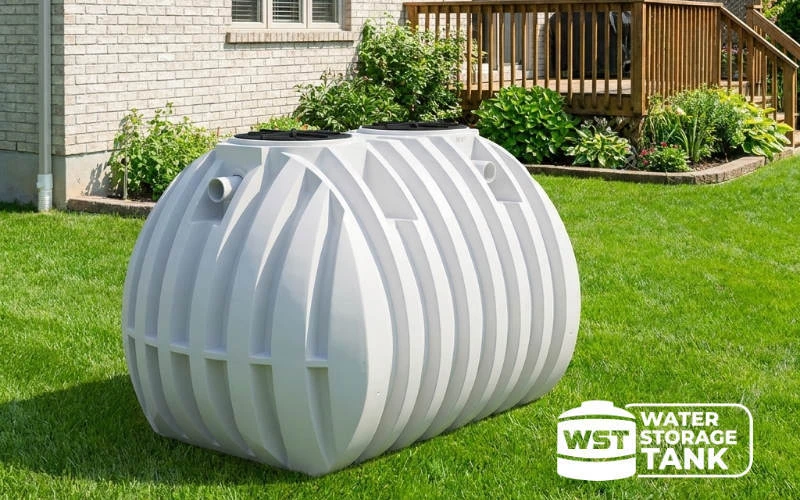
How to Determine Your Required Septic Tank Capacity
Wondering what size septic tank you need? It comes down to a few things, mainly how many bedrooms your home has. Our septic tank sizing calculator turns that into a recommended tank size in seconds. Use the tool below to get a planning estimate, then read on for how septic sizing works and how to choose the right tank.
Septic Tank Sizing Calculator
Estimate the septic tank size for your home. Use it to plan, then confirm against your local code.
Estimate based on a common guideline: a 1,000-gallon minimum for up to three bedrooms, plus about 250 gallons for each additional bedroom, with an allowance for high water use. Daily wastewater is estimated at roughly 60 gallons per person. Your local code, soil, and system type may require a different size.

How to read your results
The calculator gives you two figures.
Suggested minimum tank size
The smallest tank that comfortably serves a home your size. Treat it as a floor to plan from, not a ceiling.
Estimated daily wastewater
A rough gallons-per-day figure based on household size, useful for picturing the load your system handles each day.
How septic tank sizing works
Four things shape the size you need.
Choosing a septic tank
Once you know your target size, the next choice is the tank itself. Our standard septic tanks cover most residential needs in durable poly, while heavy-duty septic tanks suit deeper burial or heavier loads. Fiberglass septic tanks are a strong, corrosion-resistant option where local code allows them. And when you are ready to install, our septic tank accessories cover the risers, lids, and fittings that finish the job.
Septic tank sizing FAQs
What size septic tank do I need for a 3-bedroom house?
A 1,000-gallon tank is the common minimum for a home with up to three bedrooms. Heavier water use can push that higher, and your local code sets the actual requirement, so treat the calculator result as a starting point.
How is septic tank size determined?
Mainly by the number of bedrooms, which regulators use as a proxy for wastewater volume, then adjusted for water usage and household size. The binding number comes from your state or county code.
What is the difference between a septic tank and a holding tank?
A septic tank treats wastewater and releases the liquid to a drain field, so it works continuously. A holding tank is fully sealed and simply stores waste until it is pumped out. Which one you need depends on your site, soil, and local rules.
Do I need a permit to install a septic tank?
In nearly all areas, yes. Septic installation requires a permit and inspection from your local health department, and they will confirm the tank size and system your site needs.
Ready to choose a tank? Find the right size and material, or let our team help you match one to your site.