
What Size Cistern Tank Do I Need
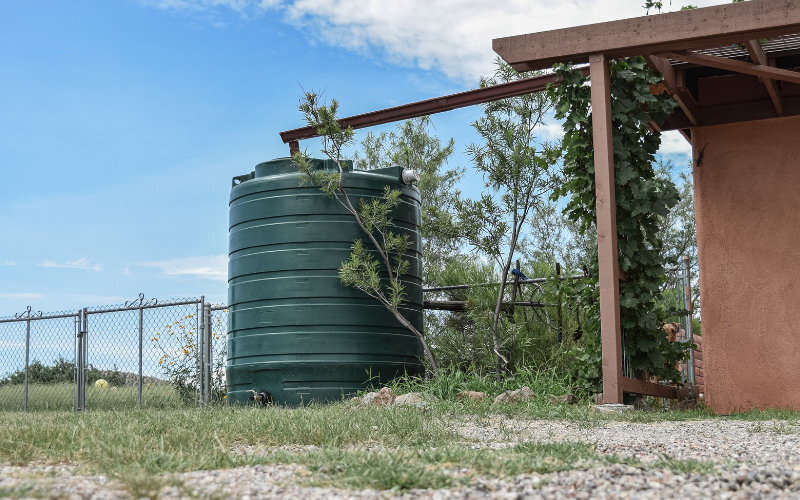
How to Choose the Perfect Cistern Water Tank Size
Size a cistern by multiplying your household's daily water use by the number of days of storage you want on hand. A family of four using 60 gallons per person per day needs roughly 3,400 gallons for a two-week supply. Rainfall capture, footprint, and placement then narrow the final tank choice.
Answering "what size cistern do I need" comes down to three questions: how much water you use, how much you can collect, and how much space you have. This guide walks through each one, then does the math for you. New to cisterns? Start with how does a cistern work for the basics, then come back to size yours.
Looking for water storage solutions? We can help! Call us at 1-863-270-8118 or contact us to discuss your needs.
How Big a Cistern Do You Need? Three Ways to Size It
Every cistern sizing decision balances the same three factors. Demand sets the floor: the minimum storage that keeps water flowing between refills. Capture sets the ceiling: the most water your roof or supply source can realistically deliver. Footprint decides what actually fits on your property. Work through them in that order.
Demand-based sizing: daily use × days of storage
Start with the water you actually use. Indoor household use typically runs 50-60 gallons per person, per day; add irrigation, livestock, or outdoor cleaning and it can reach 80-100. Multiply that daily total by the number of days of storage you want covered. Backup supply alongside a well or municipal hookup usually calls for 3-7 days, while 14-21 days is the norm when the cistern is your primary source. That's the whole method. The calculator below does the arithmetic and rounds you up to a real tank size.
Demand-based sizing: daily use × days of storage
Start with the water you actually use. Indoor household use typically runs 50-60 gallons per person, per day; add irrigation, livestock, or outdoor cleaning and it can reach 80-100. Multiply that daily total by the number of days of storage you want covered. Backup supply alongside a well or municipal hookup usually calls for 3-7 days, while 14-21 days is the norm when the cistern is your primary source. That's the whole method. The calculator below does the arithmetic and rounds you up to a real tank size.
Looking for water storage solutions? We can help! Call us at 1-863-270-8118 or contact us to discuss your needs.
Capture-based sizing: what your roof can deliver
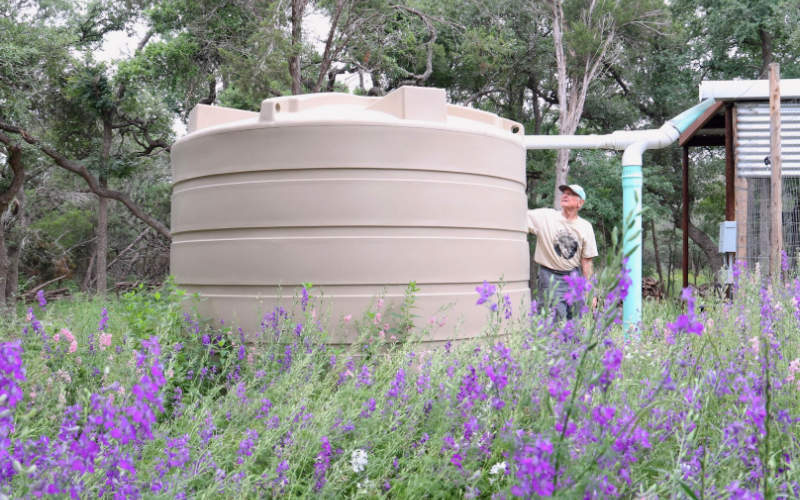
If you're filling the cistern with rainwater, collection capacity matters as much as demand. Roof area and local rainfall determine how many gallons you can realistically bank between dry spells, and in regions with long gaps between rains your cistern needs to bridge that gap. We keep the collection math on its own tool: run your roof dimensions and local rainfall through our rainwater harvesting calculator to see what your roof can deliver, then size your cistern to the smaller of what you can collect and what you'll store.
Footprint and placement constraints
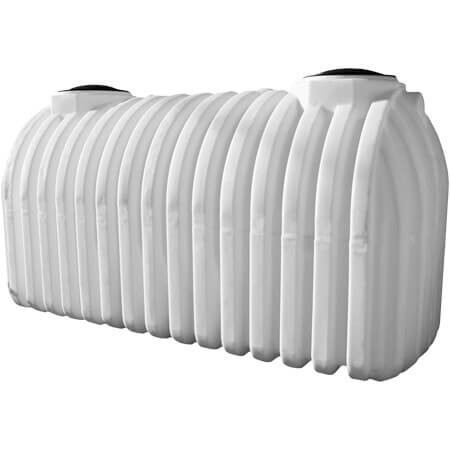
The right capacity still has to fit. Above-ground vertical tanks need height clearance and a level pad, and trade diameter against height: a taller, narrower tank holds the same gallons in a smaller footprint. Below-ground installation frees up yard space but requires excavation and a burial-rated tank. Tight spots like crawl spaces and basements point toward low-profile flexible tanks. Delivery access matters too: very large one-piece tanks need room for a truck, which is why the biggest capacities often ship in pieces and assemble on site.
Cistern Size Calculator
Estimate the storage your household needs from daily water use and the number of days you want covered.
Minimum storage needed
3,696 gallons
Round up to the next common size: a 5,000 gallon cistern.
How to Choose What Size Cistern Is Right for You
Here's the method end to end. A family of four using 60 gallons per person per day needs 240 gallons daily. For a two-week primary supply, that's 240 × 14 = 3,360 gallons. Round up to a 3,500 or 5,000 gallon cistern for a comfortable margin. If rainwater is your fill source, run the same property through the rainwater harvesting calculator and check that your roof can actually keep a tank that size topped up; if it can't, either add collection area or size the cistern to what capture supports. Then confirm the footprint works: pad space and height clearance above ground, excavation and a burial rating below.
Find Your Cistern Tank

Pillow Cistern Tanks
For small-scale storage, rainwater pillow tanks offer an ideal solution. Their flexible design allows easy placement in tight spaces such as crawl spaces, basements, or under decks, providing low-profile water storage.

Plastic Cistern Tanks
One-piece polyethylene cisterns for household supply, rainwater storage and rural systems. Available above ground and in burial-rated versions, in capacities from small backup tanks up to full-household storage.
Fiberglass Tanks
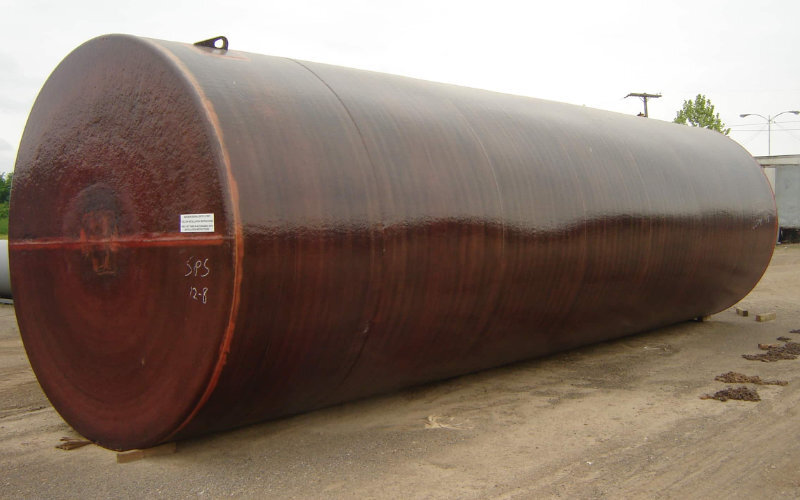
Fiberglass storage tanks are a top choice for rainwater collection thanks to their exceptional strength and stability. Unlike other materials, fiberglass tanks resist rust and corrosion, making them perfect for long-term storage applications.
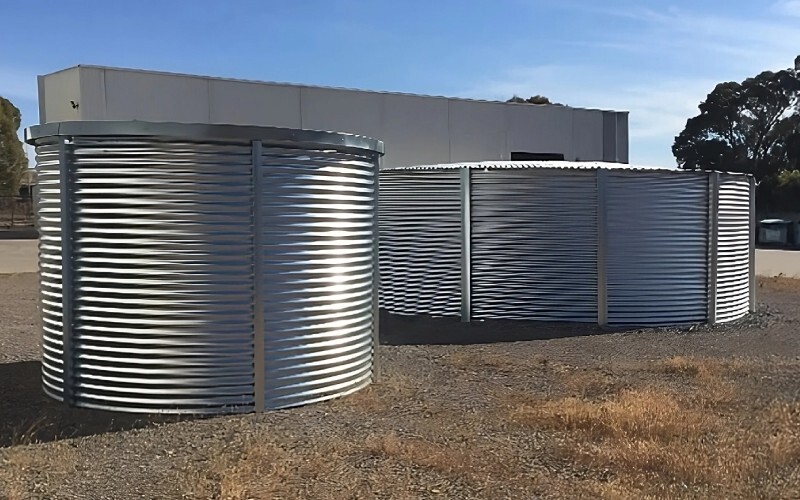
Corrugated Steel Tanks
For an alternative to standard steel, consider corrugated steel tanks for your rainwater storage and collection needs. These durable tanks are shipped in pieces and assembled on-site, providing a flexible and efficient solution.
Looking for water storage solutions? We can help! Call us at 1-863-270-8118 or contact us to discuss your needs.