
How Does a Cistern Work
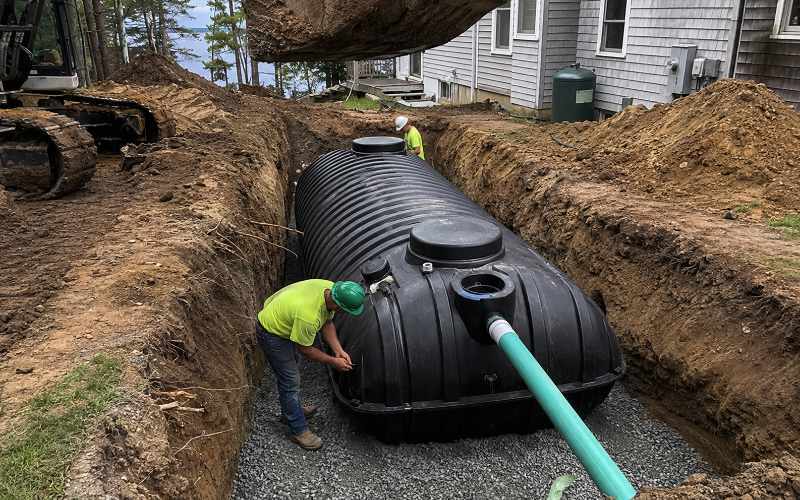
How Does a Cistern Work and Which Type is Best for You?
Understanding the Functionality of Cisterns for Your Water Storage Needs.
A cistern is a practical solution for collecting and storing rainwater, offering an eco-friendly way to manage water resources. But how do cisterns work, and which type is best suited for your needs? This guide explores the basics of cistern functionality, types available, such as above-ground, underground, and bladder tanks; and key factors to consider when selecting the perfect cistern for your home or business. Discover how a well-chosen cistern can enhance water efficiency and sustainability.
Looking for water storage solutions? We can help! Call us at 1-863-261-8388 or contact us to discuss your needs.
What Is a Cistern and How Does It Work?
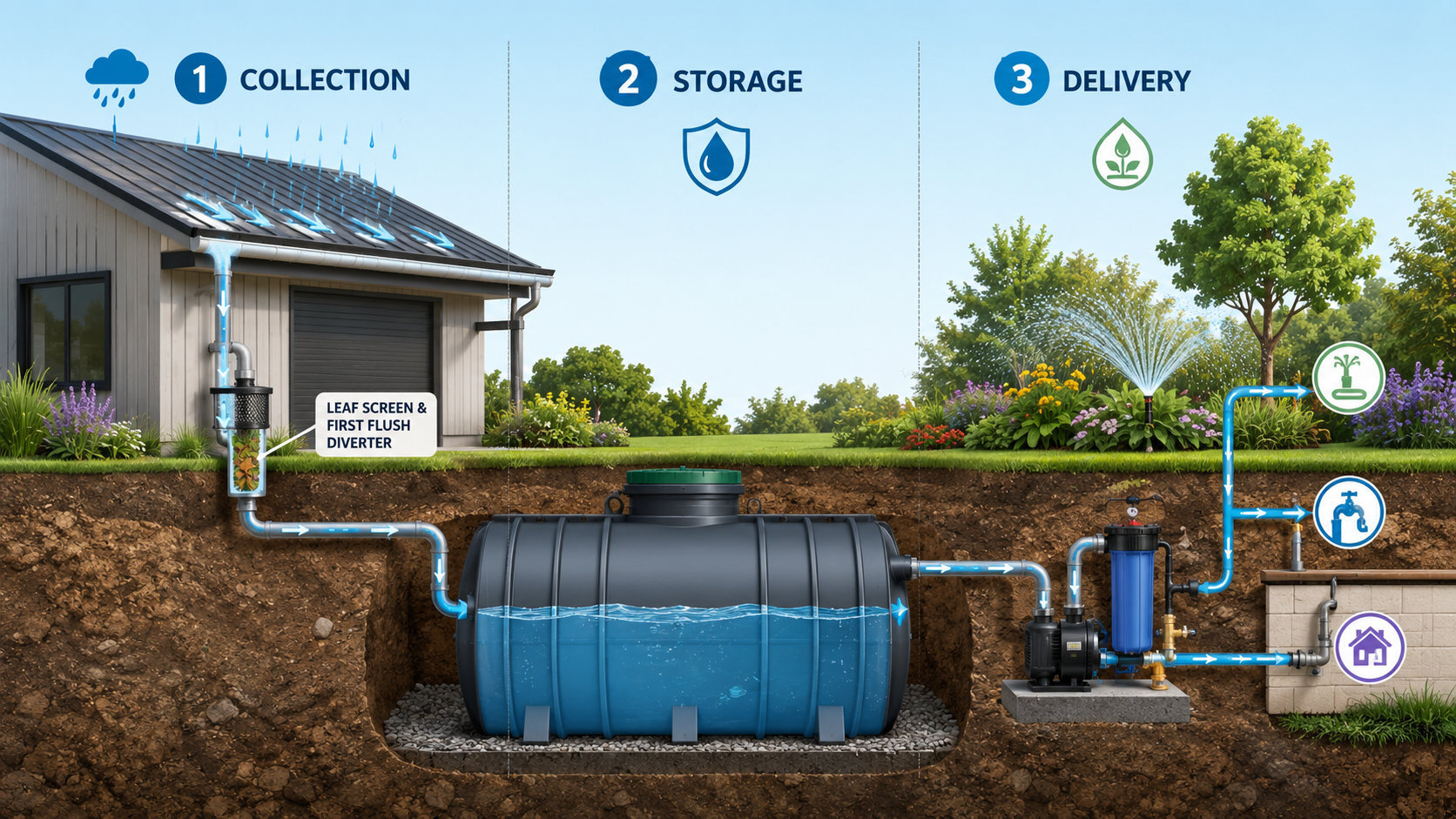
A cistern is a simple yet effective system for rainwater collection and water storage. It works by channeling water from a collection surface, such as a roof, through a series of pipes and filters into the cistern tank. Once inside, the water is stored for various uses, including drinking water, irrigation, or emergency supply. With the right setup, a cistern can help conserve potable water and provide a sustainable solution for areas where freshwater is limited or difficult to access. Cistern water tanks are an excellent option for eco-friendly and cost-effective water storage solutions.
Step 1: Collection
Every water cistern system starts with a collection surface, most often a roof. Gutters and downspouts channel runoff toward the tank, and a screen or first-flush diverter keeps leaves, grit, and the dirtiest first minutes of rain out of storage. The cleaner the water going in, the less work the rest of the system has to do.
Step 2: Storage
The cistern tank itself holds the water until you need it. Tanks sit above ground for easy access or below ground to save space and protect the water from heat, light, and freezing. Whatever the placement, the tank keeps stored water sealed away from sunlight and debris so it stays usable between rains.
Step 3: Delivery
When water is needed, it leaves the tank by gravity if the cistern sits higher than the point of use, or by a pump when pressure is required for a home, irrigation lines, or equipment. Many systems add a filter or treatment step at delivery, which matters most when the water is intended for drinking.
Types of Cistern Tanks
Cisterns come in several builds, and the right one depends on where the tank will sit and what the water is for. The main options:

Collapsible Cistern Tanks For Safe Drinking Water Storage
Collapsible cistern tanks provide a versatile and space-efficient solution for storing potable water in a variety of environments. Designed to fit in the smallest niches and even through small openings in concrete cisterns, these flexible tanks are ideal for situations where traditional rigid tanks cannot be installed. Made in the USA with FDA and NSF 61-compliant materials, our collapsible cistern tanks ensure safe and clean drinking water storage.
Perfect for remote locations or areas where fresh, clean water is difficult to access, these collapsible tanks offer both durability and custom sizing. Whether you need a low-profile tank to fit beneath a deck or a high-capacity option for existing concrete cisterns, our tanks are built to meet your water storage needs while maximizing available space. An existing concrete cistern with cracks or leaks can also be restored with cistern liners fitted to the original structure.

Corrugated Steel Water Tanks For Cistern Storage
Corrugated steel water tanks provide a durable and long-lasting cistern solution for rainwater and potable water storage. These tanks are constructed from galvanized steel, ensuring excellent resistance to corrosion and harsh environmental conditions. With their modular design, corrugated steel tanks are easy to install and can be customized in various sizes and capacities, making them suitable for residential, commercial, and agricultural use. Ideal for both above-ground and underground applications, corrugated steel tanks are perfect for collecting rainwater for irrigation, fire suppression, or as a reliable source of drinking water. They also offer the added benefit of structural strength, making them highly resistant to impacts and weather-related wear. As a cistern, these tanks can be seamlessly integrated into water management systems, providing an eco-friendly and cost-effective solution for long-term water storage. Whether you're looking to store rainwater for daily use or need a secure source of drinking water, corrugated steel water tanks offer a versatile and robust option.

Durable Below Ground Water Storage Tanks For Long-Term Use
Our plastic below ground water storage tanks provide a tough and dependable solution for storing water underground. Constructed with a ribbed polyethylene design, these tanks are engineered for strength and durability, ensuring they can withstand underground pressures while securely holding water. Whether you need temporary or long-term water storage, these tanks are ideal for both small capacities and residential applications.
Each tank is made from high-quality polyethylene materials, with FDA-approved interior resins, making them suitable for storing potable and non-potable water. Available in sizes ranging from 600 to 1,700 gallons, these tanks are perfect for managing water storage needs efficiently and safely, whether you're collecting rainwater or preparing for emergency use. For a full underground cistern system, including burial ratings, risers, and site checks, see our guide to underground cistern tanks, and browse plastic cistern tanks for the poly range above and below ground.
Can You Drink Cistern Water?
This is the question people ask most often about stored rainwater, and the honest answer is that it depends on decisions made long before the water reaches the tap. A cistern by itself does not make water drinkable. It stores whatever arrives, and what arrives depends on the roof, the plumbing and what happens to the water on the way in and on the way out.
Treat Cistern Water as Non-Potable by Default
Unless a system was specifically designed and equipped for drinking water, assume the stored water is not potable. In that condition it is still useful for a great deal: irrigation, livestock, washdown, toilet flushing, dust suppression and emergency reserve all work with untreated cistern water, and those uses account for most of the water a typical property consumes. Starting from non-potable is not a limitation, it is the correct default.
What a Drinking Water Cistern System Adds
A potable water cistern is the same three stages described above with additional requirements at each one.
- Collection surface. The roof becomes part of the water system. Metal roofing is the usual choice because it sheds cleanly and contributes little to the water. Some roofing materials, treatments and older coatings are not suitable for potable collection at all.
- First flush and pre-filtration. Diverting the initial runoff removes the dirtiest fraction before it ever enters storage. Screens and leaf filters handle what follows. This stage does more for water quality than anything downstream.
- A potable-rated tank and components. The rating belongs to the specific product, not to the material family. That applies to the tank, the liner where one is used, the fittings and the pipework, because a rated tank on unrated components is not a rated system.
- Treatment at delivery. Filtration plus disinfection, commonly UV or another approved method, sized to the flow. This is the stage that actually makes water safe to drink, and no cistern replaces it.
- Testing. Not once at commissioning, but on a schedule. Water quality changes with the seasons, with roof condition and with anything that gets into the system.
Local Requirements Decide What Is Permitted
Rules covering drinking water cistern systems vary considerably between states and between counties, and in some places they vary depending on whether the property has any other available supply. Some jurisdictions permit potable rainwater harvesting with specified treatment. Others restrict it, or require inspection and permitting. Before designing around drinking use, confirm what your local authority allows, because that answer changes the specification rather than just the paperwork.
Where Hauled Water Fits
Not every drinking water cistern is filled by rain. On rural properties without a well, a cistern is often filled by delivery from a potable water hauler, which changes the picture considerably. The water arrives already treated, so the collection and first flush stages fall away and the requirement shifts entirely to keeping it clean once it is stored: a potable-rated vessel, a sealed and screened tank, and periodic cleaning. It is the simpler path to drinking water storage and it is frequently the one that gets overlooked.
Deciding Which You Need
If the water is for irrigation, stock, washdown or reserve, a straightforward cistern setup does the job and the specification stays simple. If any of it is for drinking, cooking or bathing, the system needs to be designed for that from the start, because retrofitting potable capability onto a vessel that was never rated for it usually means replacing the vessel. Tell us how the water will be used before you choose a tank, and we will confirm which products carry the ratings your application needs and what the manufacturer documentation states. You can also compare the range at our cistern storage tanks hub.
How big should your cistern be?Work the number out from your household demand and local rainfall before you choose a tank.
Ready to Choose a Cistern?
Start at our cistern storage tanks hub to compare materials, placements, and sizes in one place, or go straight to the range and shop with live pricing.
Shop Cistern TanksCistern Questions, Answered
What is a cistern used for?
A cistern's purpose is holding water for later use. Common uses include storing collected rainwater for irrigation and outdoor work, holding hauled or well water for household supply, and keeping an emergency or fire reserve on site. The same cistern tank can serve several of these at once, which is part of why they remain popular for rural and off-grid properties.
Is cistern water safe to drink?
It can be, when the whole system is set up for it. Drinking from a potable water cistern depends on a clean collection surface, proper filtration and treatment, and a tank whose materials carry a potable rating, so confirm the rating on the specific tank before storing drinking water. Local requirements and periodic water testing have the final say, so check both for your area rather than assuming any stored water is drinkable.
How is a cistern different from a well?
A well draws groundwater from below your property; a cistern stores water that came from somewhere else, usually rain or a delivery truck. The two often work together: a cistern can buffer a slow well, hold hauled water where wells run dry, or keep a reserve for outages. If your ground water is unreliable, a cistern is often the simpler fix.
Still weighing your options? Tell us how you plan to collect and use the water, and a specialist will point you at the right cistern for the job.
REQUEST A QUOTE CALL NOW! 863-261-8388