
Underground Cistern Tanks

Underground cistern tanks rated for burial
An underground cistern keeps your water storage out of sight and protected from sun, freezing, and surface heat by sitting below grade. Only tanks rated for burial can go underground safely, so this page focuses on below-ground cisterns: how deep they install, how you reach them, and which materials hold up in the ground. Browse the buried-rated range below, or step back up to the full cistern tanks hub for above-ground options and sizing.
What to Check Before You Bury a Cistern
| What to check | Why it matters |
|---|---|
| Burial depth rating | Every buriable tank has a maximum burial depth. Installing deeper than its rating can collapse the tank under soil load. |
| Traffic or load rating | Only traffic-rated tanks can sit under a driveway or parking area. Standard burial tanks are for non-traffic ground only. |
| Access riser and lid | A riser brings the tank opening up to grade so you can inspect, clean, and service it after burial. |
| Anti-flotation | An empty tank can float up in a high water table. Correct anchoring and backfill hold it in place. |
| Material and build | Poly and fiberglass are common below ground. Confirm the model is built for burial, not an above-ground tank pressed into service. |
Exact burial depths and load ratings are set by the manufacturer and listed on each product page. Confirm your soil, water table, and cover depth with an installer or engineer before you dig.
The Case for a Below-Ground Cistern
- Out of sightFrees up your yard and hides the tank, leaving only a lid at grade.
- Freeze protectionBelow the frost line, stored water is far less likely to freeze in winter.
- Stable temperatureThe ground keeps water cool in summer, which slows algae and keeps it fresher.
- Shielded from the elementsNo sun or UV exposure, so the tank is not fighting the weather.
Where Underground Cisterns Are Used
Buried cisterns fit anywhere storage is needed but surface space, appearance, or freezing rules out an above-ground tank.
- Rainwater harvesting: below-ground collection that keeps the surface clear.
- Rural potable supply: hauled or well water stored near the home, out of the weather.
- Irrigation reserves: hidden storage for landscape and garden watering.
- Fire and emergency reserve: capacity on hand that does not take up yard space.
- Tight lots: sites where every square foot of surface counts.
Basement and Below-Grade Cisterns
Not every underground cistern sits under a lawn. Basement and crawl-space installations use the same low profile, burial-rated tanks to store rainwater or well water below grade inside the structure, where the slab and foundation do the work a burial site would. The checks are the same ones covered above: confirm the tank is rated for the load against it, plan access for the pump and fittings, and match the capacity to the space. If you are planning a basement rainwater cistern, send the room dimensions with your quote request and we will confirm which models fit.
How to Choose an Underground Cistern
A buried tank adds a few decisions on top of size, so work through these in order.
- Size it first: base capacity on your demand and refill. Our cistern sizing guide walks through the math.
- Confirm the burial rating: match the tank's rated burial depth to how deep you actually need to install.
- Plan access: pick a riser and lid height that brings the opening up to grade for service.
- Check the site: a high water table or heavy soil changes the install, so anchor against flotation and follow the manufacturer's backfill.
- Need larger steel storage below grade? See our underground water storage tanks for the big-capacity side.
Related Tanks and Guides
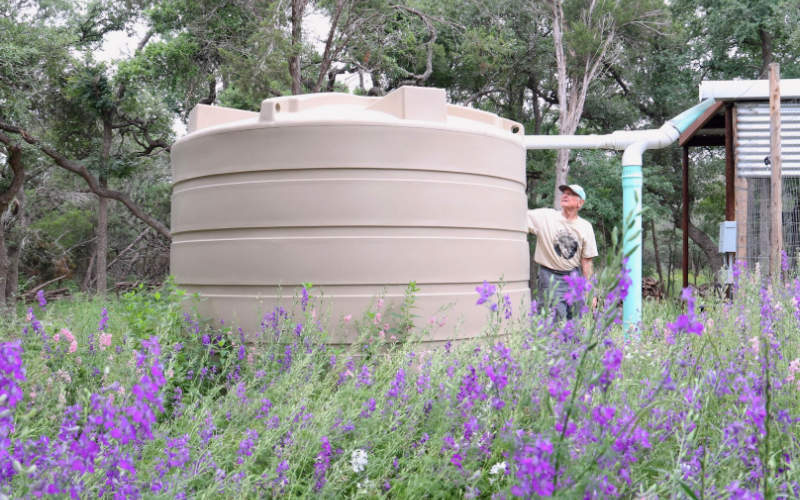 Cistern and Rainwater Tanks
The hub for cistern materials, sizing, and above-ground options.
Cistern and Rainwater Tanks
The hub for cistern materials, sizing, and above-ground options.
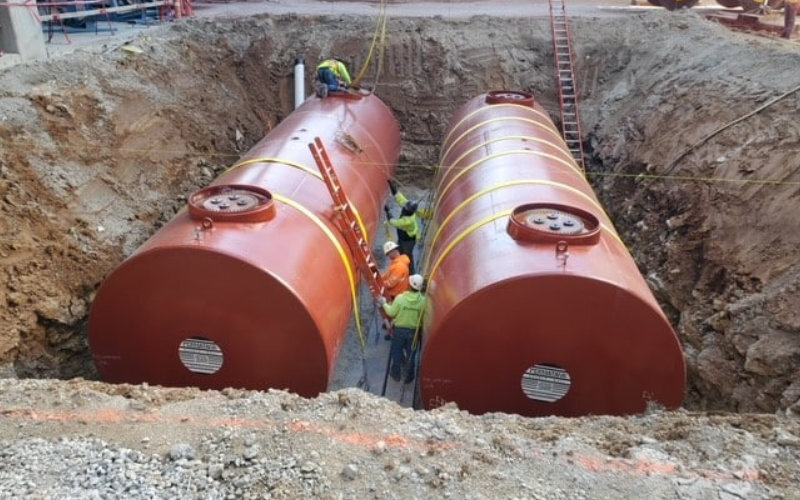 Underground Water Storage Tanks
Larger steel and bolted builds rated for below-ground installation.
Underground Water Storage Tanks
Larger steel and bolted builds rated for below-ground installation.
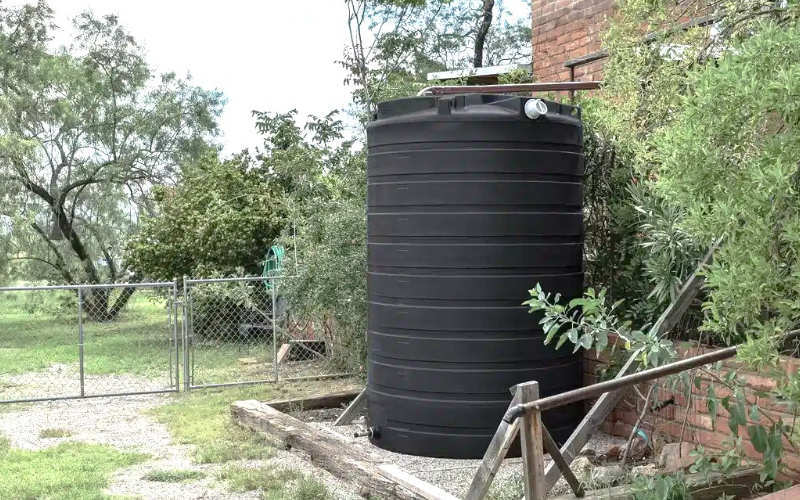 Plastic Cistern Tanks
Poly cisterns for potable and non-potable storage above or below ground.
Plastic Cistern Tanks
Poly cisterns for potable and non-potable storage above or below ground.
New to cisterns?
See how they collect, store, and deliver water before you choose.
Underground Cistern FAQs
Can a cistern be installed underground?
Yes, but only if the tank is rated for burial. Underground cisterns are built to withstand the pressure of soil and backfill pressing in around them, which an above-ground tank is not. Always use a tank the manufacturer lists as burial-rated, and confirm the install with a professional.
What cistern tanks are rated for burial?
Burial-rated cisterns are usually low-profile poly or fiberglass tanks built specifically for below-ground use, with reinforced walls and a stated burial-depth rating. That rating is listed on each product page, so check that a tank is marked for underground installation before you buy. An above-ground cistern is not a substitute.
How deep can an underground cistern go?
The maximum depth depends on the tank's burial-depth rating, your soil, and the backfill, and it should never exceed what the manufacturer specifies. Most buried cisterns use a riser to bring the lid to grade while the tank body sits below the frost line. Confirm the depth and cover with your installer or an engineer.