
What Size Water Tank Do I Need?
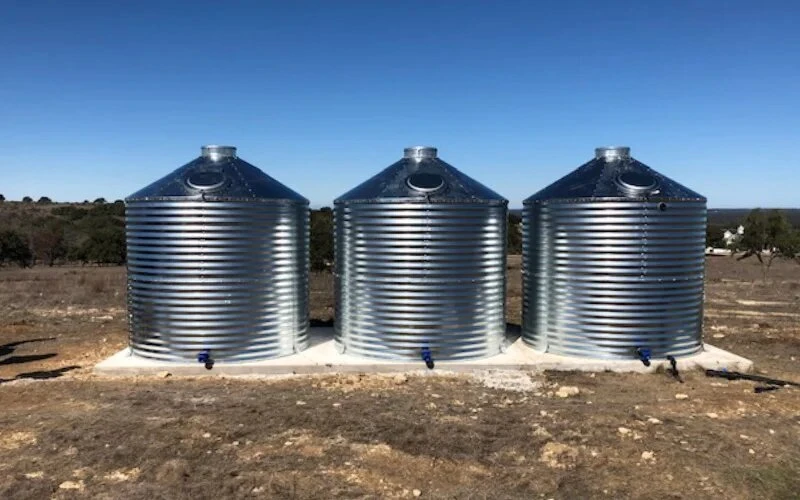
What Size Water Tank Do I Need?
To find what size water tank you need, multiply your daily water use by the number of days you want to keep in reserve, then add a margin for peak demand and slow refills. Start from that simple calculation, then adjust for the space and the tank material your site allows.
If you have ever wondered how big a water tank should be for your needs, this guide walks you through it step by step, from estimating your daily use to matching the right capacity and footprint to your site. The same simple method works whether you are sizing for a home, a farm, a job site, or a municipal reserve, so you can plan with confidence instead of guessing.
Looking for the right size water tank? We can help! Call us at 1-863-261-8388 or contact us to discuss your needs.
How to Calculate What Size Water Tank You Need
Sizing a tank comes down to one core idea: store enough to cover what you use between refills, with a margin for the days you use more or refill slower. The math is simple. Estimate your daily demand, decide how many days of supply you want on hand, multiply the two, then add a buffer.
Step 1: Estimate your daily water demand
Add up everything the site draws in a typical day: household use, irrigation, livestock, dust control, or process water. Use your highest realistic day rather than the average, so a busy day does not run you dry.
Step 2: Decide how many days of reserve you need
Reserve depends on how reliable your refill is. A site on a steady municipal line might hold only a day or two. A site refilled by weekly delivery, a slow well, or rainfall needs a much larger reserve to ride out the gap.
Match the Result to Refill Rate and Footprint
Your target capacity is only half the answer. How fast your source refills the tank and how much space you have decide the rest. A slow refill pushes you toward more storage, and a tight footprint pushes you toward a taller vertical tank or a below-ground install. For very large volumes, step up to bulk water storage tanks.
The Sizing Formula at a Glance
A simple starting point. Refine the result with your refill rate and the space your site allows.
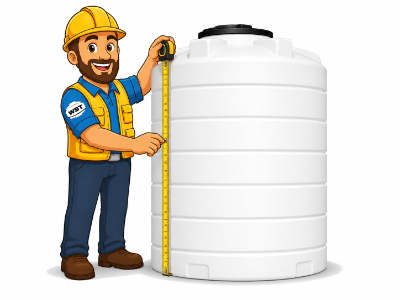
Water Tank Size Calculator
Enter your numbers to estimate the capacity you need. Change any field and the result updates as you type.
Have your number? Browse tanks at or above that size on our large water storage tanks hub.
This calculator gives a planning estimate from the numbers you enter. For potable water, fire reserves, or code-driven requirements, confirm the final size with a specialist or your local authority.
The Factors That Decide Tank Size
| Factor | What to ask | Why it matters |
|---|---|---|
| Daily demand | How many gallons does the site use on a peak day? | Sets the baseline volume you draw between refills. |
| Reserve days | How long must the tank carry the site if refilling stops? | Multiplies demand into your total stored capacity. |
| Refill rate | How fast does your well, line, or delivery replenish the tank? | A slow refill needs more reserve, a fast one needs less. |
| Footprint | How much space, and above or below ground? | Decides tank shape, material, and vertical versus horizontal. |
Once you know the capacity, the form follows the site. Vertical tanks save floor space, horizontal tanks suit low-clearance spots and transport, and underground tanks free up the surface entirely.
Putting It Together
Once you have a target capacity, choosing the tank is about matching material and form to the liquid and the site. Browse the full range on our large water storage tanks hub, where you can compare steel, poly, and fiberglass by capacity and placement before you commit.
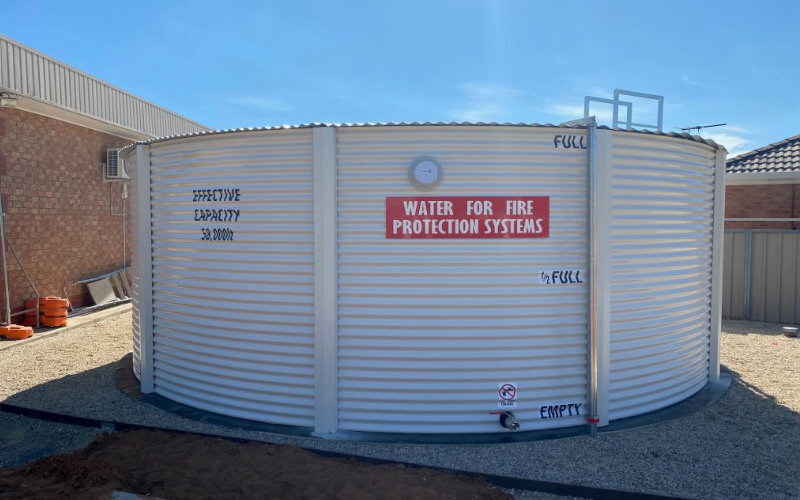
Find the Right Tank for Your Size
Once you have your number, these are good places to start.
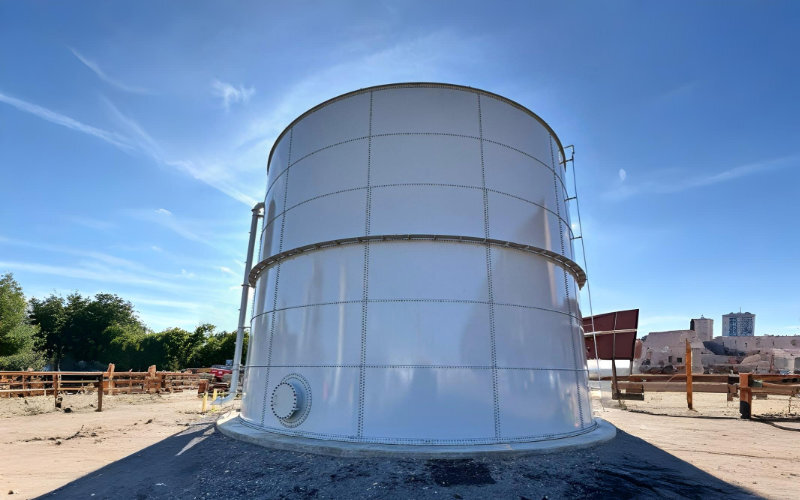

Frequently Asked Questions
How do I calculate the water tank size I need?
To calculate the water tank size you need, multiply your peak daily water use by the number of days you want to keep in reserve, then add a margin for high-demand days. A slower refill source or higher daily use both push you toward a larger tank, while your available space sets the final shape.
What is a common household water tank size?
Household water tank sizes vary widely with the number of people and whether the tank is the main supply or a backup. Homes on stored or hauled water often use tanks ranging from a few hundred to a few thousand gallons. The right size still comes from your own daily demand and refill schedule, not a one-size-fits-all number.
Is it better to oversize a water tank?
A modest amount of extra capacity is usually worth it, because it covers peak-demand days and gaps in your refill without running the tank dry. Going too large costs more, takes more space, and can let water sit long enough to affect quality. Aim for your calculated need plus a sensible margin, not the biggest tank that fits.