
Cistern Liner

Cistern Liners
Custom Cistern Liners for New and Old Tanks
Cistern Tank Liners are the perfect way to update an old or new cistern storage tank. These water tank liners are custom built from potable or non-potable water fabrics to meet the size and dimensions of your existing unit. This sizing creates a water-tight lining system that can successfully store liquids and prevent leaks during storage. Whether you have an old, new, or leaking unit, these containment liners are the ideal way to increase the life span and storage capabilities of your tank.
If you are not sure whether a liner or a new tank is the right answer, how does a cistern work covers the basics.
Looking for water storage solutions? We can help! Call us at 1-863-270-8118 or contact us to discuss your needs.
| Cistern Liner Typical Specifications | |
|---|---|
| Fabric Options | Elvaloy, PVC, Polyethylene, Polypropylene, XR-5 (or equivalent) |
| Liquid Compatibility | NSF 61 and FDA Compliant for Potable Water, Grey Water, Waste Water, or Irrigation Water Compatible |
| Sizing | Sized to Your Water Tank's Specifications |
| Accessories | Boots to Fit Around Pipes, Fittings, and other Hardware |
Determining the Right Size for Your Cistern Liner
When choosing cistern liners, the size of the liner depends on the dimensions of your cistern unit. To assist in selecting the right liner size, consider the following factors:
- Cistern Shape: Whether it's circular, rectangular, or custom-shaped.
- Cistern Dimensions: Including length, width, height, or height and circumference.
- Surface Area: Total available space for installation.
- Cistern Material: Whether it's concrete, steel, or another custom material.
- Obstructions: Any fittings, piping, or obstacles the liner needs to accommodate.
- Access Requirements: Location considerations affecting liner installation.
Having detailed information about your cistern allows us to tailor the best solution for your needs. Contact us to find the ideal liner that fits seamlessly into your cistern setup.
Where the tank shell itself has failed, replacement may cost less than lining. Compare plastic cistern tanks before deciding.
Tank Liners by Material and Application
A cistern liner is one type of tank liner. The same drop-in approach works for other storage tanks where the shell remains structurally sound but the interior needs to be repaired, sealed or isolated.
Concrete Tank Liners
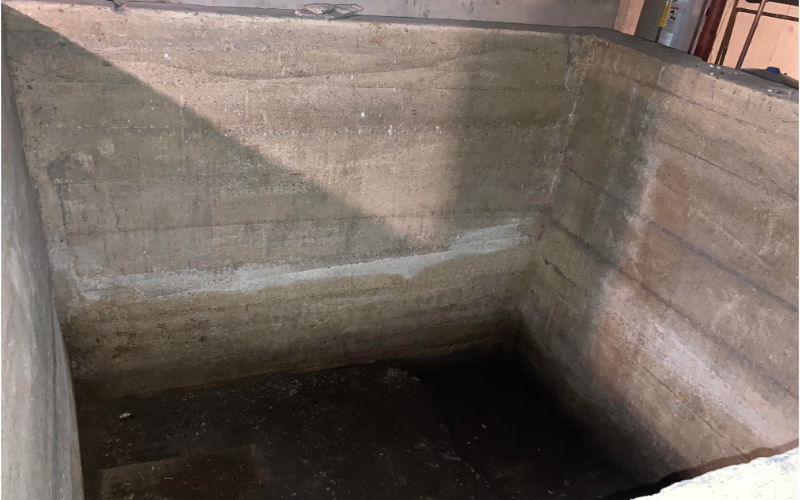
Concrete can crack, spall and leach over time. A drop-in liner seals the interior without demolition, usually at a fraction of the cost of replacing the tank.
Fiberglass and Plastic Tank Liners
Older fiberglass-reinforced plastic and polyethylene tanks can craze or delaminate internally while the main structure remains sound. A liner restores a clean, sealed interior.
Steel and Bolted Tank Liners
Liners isolate interior corrosion and coating failure. They are commonly used where recoating is impractical or the tank cannot remain out of service for an extended period.
Fire Water Tank Liners
Fire reserves may remain stored for long periods between uses. A liner helps keep the water contained and isolated from a deteriorating or leaking shell.
View fire protection water tanksWastewater and Process Tank Liners
Liner material must be selected according to what the tank holds. Confirm chemical compatibility for the specific wastewater, process liquid or chemical before ordering.
Made to Fit Your Existing Tank
Tank liners are made to measure. Send us the tank dimensions, the tank construction material and the liquid it will hold. Our team will help confirm the appropriate liner material and fit.
How to Measure for a Cistern Liner
Cistern liners are made to fit, so the actual interior measurements matter more than the tank's nominal capacity. Gather the following information so our team can confirm the correct liner dimensions and material.
Round Tanks
Measure the interior diameter at the widest point and the interior height from the floor to the top of the wall.
Measure the inside, not the outside dimensions or nameplate capacity.
Rectangular and Square Tanks
Measure the interior length, width and depth, wall to wall at the inside face of the tank.
Openings and Fittings
Record the size and location of every inlet, outlet, overflow, manway and access hatch.
Measure from the floor and a fixed corner or reference point.
Tank Material and Condition
Identify whether the tank is concrete, steel, fiberglass, polyethylene or block.
Note any spalling, protruding rebar, damaged surfaces or sharp edges.
What the Tank Will Hold
Identify the water, wastewater, process liquid or chemical that will be stored. Liner material must be selected for compatibility with the specific fluid.
Not Sure About a Measurement?
Send photos of the tank, fittings and interior along with your measurements. Our team reviews the dimensions and application before anything is fabricated.
For small punctures and seam repairs on an existing tank, see tank repair kits.
Looking for water storage solutions? We can help! Call us at 1-863-261-8388 or contact us to discuss your needs.