Spill Containment

Spill Containment & Secondary Containment
Spill Pallets, Berms & Containment Systems for Drums, IBCs & Equipment
Secondary spill containment captures the leaks and spills that get past a primary container, keeping oils, fuels and chemicals out of soil, storm drains and work areas. This page helps EHS managers, facility supervisors and contractors match the right spill containment products to their drums, IBC totes, tanks and equipment. Compare trays, berms, pallets and liners below, then shop online or request a quote from a team that sizes containment systems every day.
Looking for spill containment solutions? We can help! Call us at 1-863-270-8118 or contact us to discuss your needs.
Portable and Temporary Secondary Containment
Not every containment need is permanent. Portable secondary containment systems set up on site, hold liquid for the duration of the job, and pack down when the work moves. They are common on rental fleets, construction sites, remote installations and temporary staging areas.
Generator Spill Containment
Diesel generators, whether permanent standby units or temporary rentals, sit on a base tank or day tank that needs containment underneath. A generator spill containment berm sized to the fuel volume is the usual answer for pads, rooftops and remote sites.
Military and Field Containment
Military secondary containment products are built for repeated deployment. They fold flat for transport, deploy without tools, and take rough handling in the field.
Temporary and Mobile Applications
Temporary secondary containment covers short-duration work such as equipment maintenance, fuel transfer points, tanker loading and spill response staging. Mobile spill containment moves with the crew rather than staying with the site.
Portable systems are one part of a broader storage strategy. For permanent tank options, explore our industrial and chemical storage tanks. Containment volume requirements come from your SPCC plan and the engineer or EHS manager who certifies it. Our team can confirm which unit supports the volume you need.
Browse Spill Containment by Category
Match your secondary containment to the containers and equipment you use every day.
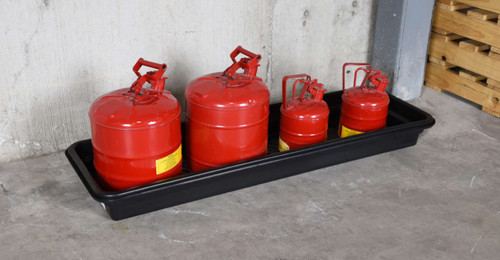 Spill Containment Trays & Pallets
Low-profile trays and spill pallets for drums, small containers and dispensing areas. Compare sump capacities and footprint sizes.
View trays & pallets
Spill Containment Trays & Pallets
Low-profile trays and spill pallets for drums, small containers and dispensing areas. Compare sump capacities and footprint sizes.
View trays & pallets
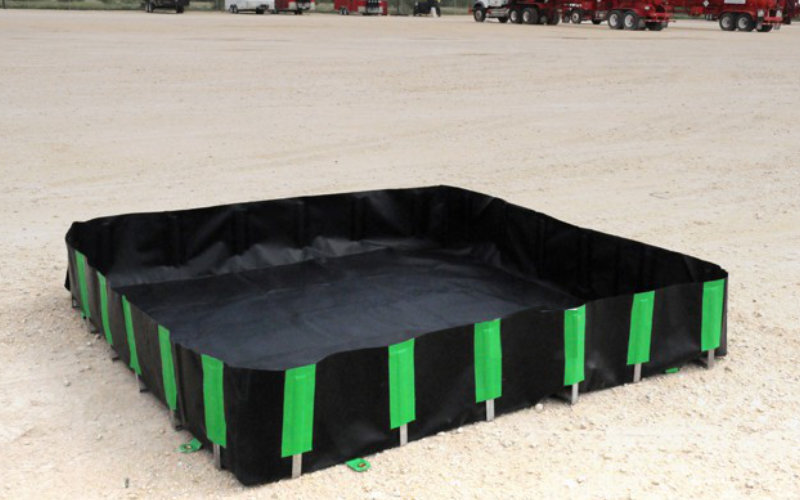 Containment Berms
Portable, collapsible berms and mats for vehicles, equipment, frac tanks, generators and temporary containment.
View containment berms
Containment Berms
Portable, collapsible berms and mats for vehicles, equipment, frac tanks, generators and temporary containment.
View containment berms
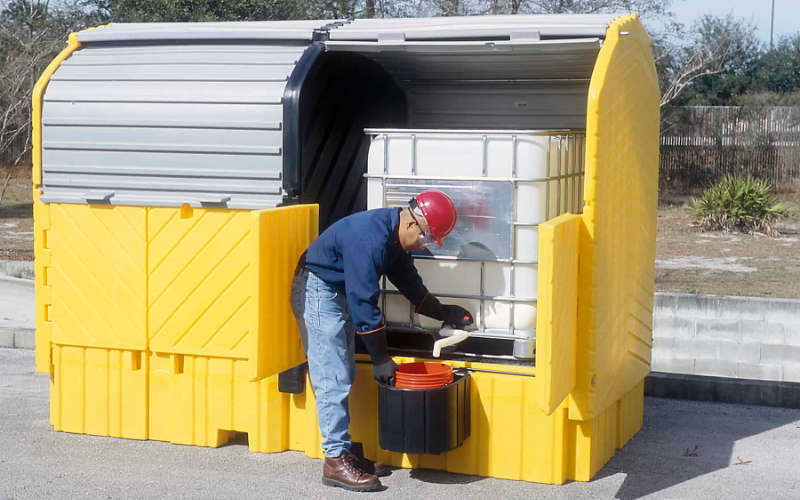 IBC Containment
Spill pallets, hard tops and basins sized for IBC totes and bulk liquid storage that support SPCC plans.
View IBC containment
IBC Containment
Spill pallets, hard tops and basins sized for IBC totes and bulk liquid storage that support SPCC plans.
View IBC containment
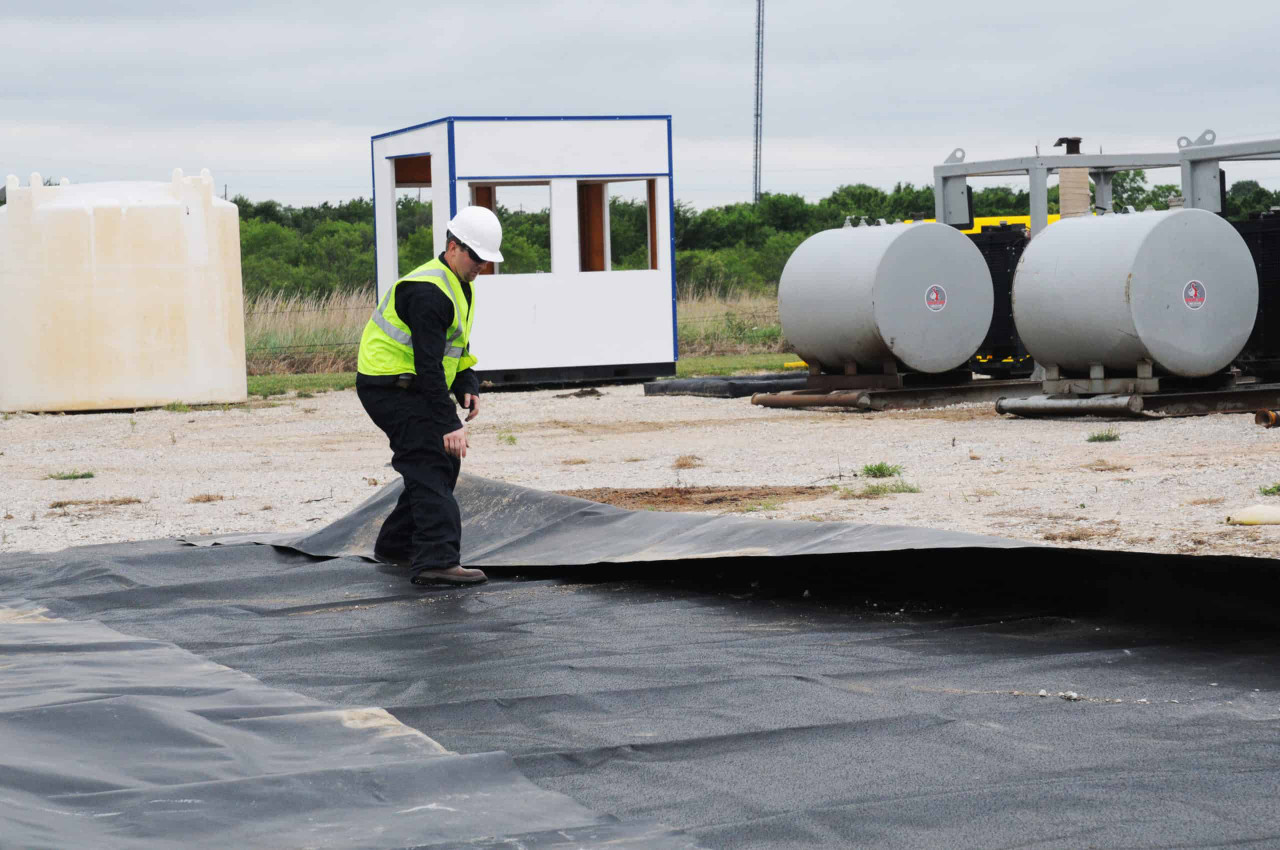 Secondary Containment Liners
Berm liners and containment area liners for tanks, equipment pads and long-term storage areas.
View containment liners
Secondary Containment Liners
Berm liners and containment area liners for tanks, equipment pads and long-term storage areas.
View containment liners
 Fuel Tank Containment
Berms, trays and liners sized for diesel and fuel tanks, generator base tanks and mobile refueling areas.
View fuel tank containment
Fuel Tank Containment
Berms, trays and liners sized for diesel and fuel tanks, generator base tanks and mobile refueling areas.
View fuel tank containment
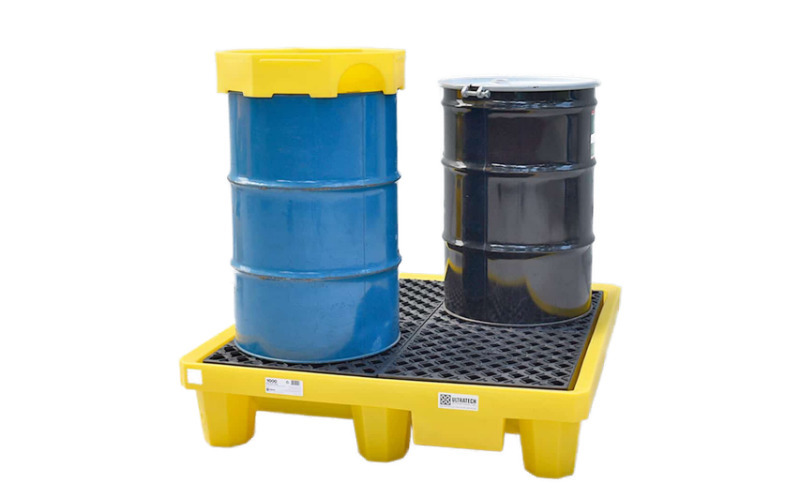 Drum Containment
Secondary containment for 55-gallon drums and smaller containers. Spill pallets, decks and trays for storage and transfer areas.
View drum containment
Drum Containment
Secondary containment for 55-gallon drums and smaller containers. Spill pallets, decks and trays for storage and transfer areas.
View drum containment
 Hard Wall Containment
Rigid-wall berms and modular systems for long-term tank, transformer and high-volume storage areas.
View hard wall systems
Hard Wall Containment
Rigid-wall berms and modular systems for long-term tank, transformer and high-volume storage areas.
View hard wall systems
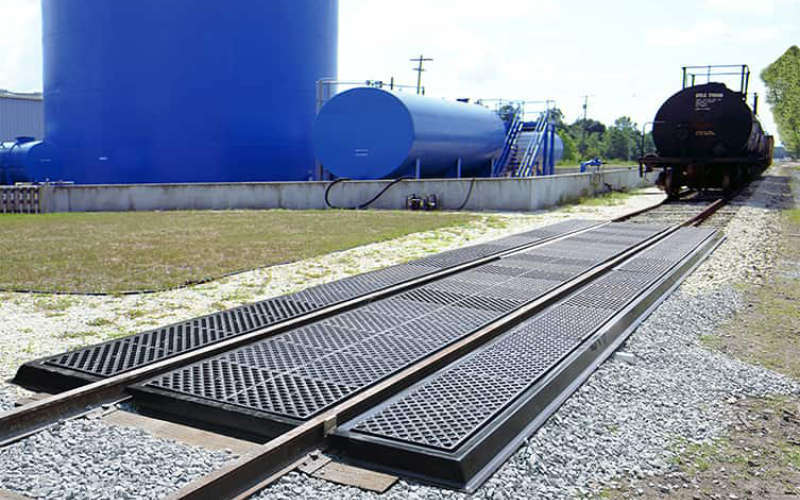 Railroad Containment
Track pans and rail containment that capture leaks from tank cars during loading, unloading and staging.
View railroad solutions
Railroad Containment
Track pans and rail containment that capture leaks from tank cars during loading, unloading and staging.
View railroad solutions
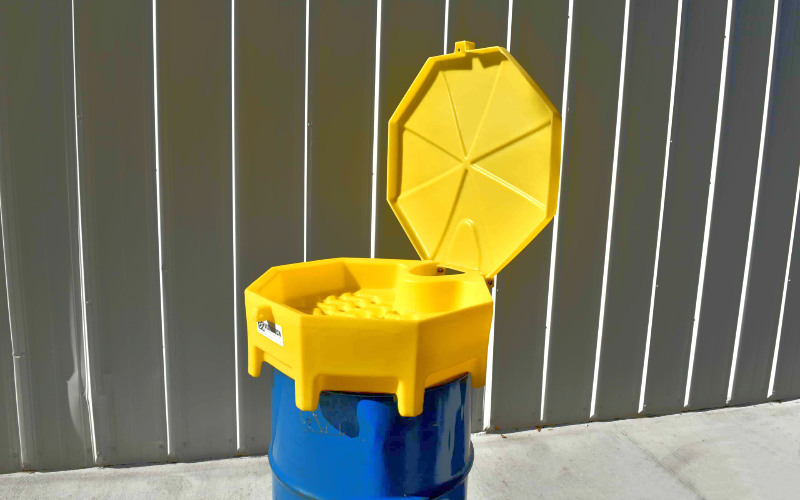 Miscellaneous Containment
Specialty trays, sumps and custom pieces for pumps, cabinets and other hard-to-cover areas.
View miscellaneous options
Miscellaneous Containment
Specialty trays, sumps and custom pieces for pumps, cabinets and other hard-to-cover areas.
View miscellaneous options
Looking for spill containment solutions? We can help! Call us at 1-863-261-8388 or contact us to discuss your needs.
How to Choose the Right Spill Containment
Not sure which berm, tray or pallet you need? Use this quick framework to narrow options, then dive into the product categories above.
- Identify the liquids and containers. Are you storing oils, fuel, corrosives or hazmat? Count how many drums, IBC totes, tanks or small containers you need to contain and where they sit today.
- Decide where containment needs to go. For indoor drum storage, loading docks or warehouses, look at drum and IBC containment. For yards, vehicle fueling or temporary jobsites, consider flexible berms or hard wall containment.
- Confirm capacity & compliance needs. Use your SPCC plan, SDS sheets and local regulations to size containment volume. Many facilities plan for at least the capacity of the largest container, plus freeboard.
- Layer in response & stormwater protection. After you’ve picked secondary containment, add spill response kits and stormwater management products (drain covers, inlet filters, booms) to keep spills out of soil and storm drains.
Spill Containment Solutions by Industry
Spill containment isn't one-size-fits-all. Here’s how facilities in different industries use drum, IBC, flexible and hard wall containment alongside spill response and stormwater tools.
Manufacturing & Industrial
- Drum and IBC containment under process and bulk storage areas
- Hard wall containment around tanks, mixers and washdown zones
- Flexible berms for maintenance work, equipment pull-outs and cleaning
Municipal & Utilities
- Drum containment for chemical feed systems and day tanks
- IBC containment for bulk treatment chemicals and storage yards
- Flexible berms and spill response around generators, pumps and trailers
Oil, Gas & Energy
- Drive-over flexible berms for tankers, frac tanks and fueling areas
- Hard wall containment for aboveground tanks and critical equipment
- Spill response kits and booms at loading racks, containment ponds and docks
Construction & Contractors
- Portable flexible berms for jobsite fueling, generators and compressors
- Drum containment in laydown yards and project warehouses
- Drain covers and spill kits for temporary protection during work
Warehousing & Logistics
- Drum and IBC containment at staging, cross-dock and transfer points
- Spill trays under small containers, repack lines and leaking cartons
- Bollards, guards and rack protection around high-traffic storage areas
Schools, Labs & Healthcare
- Small drum and can containment for maintenance and chemical rooms
- Bench and cabinet trays under lab chemicals and safety cabinets
- Compact spill kits for fast response in labs, classrooms and clinics
Spill Containment, EPA & SPCC Compliance
Regulations vary by site, but most facilities use spill containment to support their environmental and safety programs. Here's how these products typically fit into compliance plans.
- SPCC secondary containment: Capture leaks from aboveground storage containers such as drums, totes and day tanks as part of a Spill Prevention, Control and Countermeasure plan.
- Stormwater management: Use drain covers, inlet filters and berms to keep spills and sediment out of storm drains and outfalls.
- Good housekeeping & OSHA: Keep aisles and work areas free of slippery liquids with spill pallets, trays and absorbents.
- Chemical storage best practices: Add trays and sumps under cabinets, racks and small containers to capture repeated leaks.
We don't replace your engineer or regulatory advisor—but we do make it easier to pick practical, proven equipment that supports your plan. If you share your container types, counts and a rough layout, we can help you build a containment package sized to your requirements.
Tip: Many customers start by sizing containment to hold at least the volume of their largest single container in an area, plus additional capacity for rainfall where required.
Our drum, IBC, flexible, hard wall and railroad containment systems are sized to support SPCC secondary containment requirements across drums, totes and tanks.
Looking for spill containment solutions? We can help! Call us at 1-863-261-8388 or contact us to discuss your needs.
Why Buy Spill Containment from Water Storage Tanks?
You could piece together spill control items one by one—or work with a team that looks at your whole facility and helps you build a coordinated plan across spill containment, spill response, stormwater management and facility protection.
- Project-based support: We size spill pallets, berms and drain protection around your drum and tote counts, not just what's on sale.
- Cross-category solutions: Need tanks, trailers and spill containment together? We bundle everything into a single, coordinated quote.
- Multiple manufacturers: We work with leading brands like UltraTech and others to recommend what fits your application and budget.
- Specification-friendly: Spec sheets, drawings and submittal support for engineers, inspectors and purchasing.
- B2B-friendly pricing & logistics: Volume quotes, freight coordination and scheduled deliveries for multi-site rollouts.
Whether you're upgrading one loading dock or standardizing spill kits across dozens of sites, our team works like an extension of your EHS and purchasing group. Tell us your priorities—regulatory must-haves, budget ceiling, existing equipment—and we'll help you make realistic choices that move the needle on risk reduction.
Secondary Spill Containment FAQ
Common questions on containment types, sizing and requirements. Final sizing and compliance decisions belong to your SPCC plan and the engineer or EHS manager who certifies it.
What Is Secondary Spill Containment?
Secondary spill containment is a barrier that catches liquid if the primary container leaks or fails. It can be a tray under a drum, a spill pallet under IBC totes, a berm around a tank or vehicle, or a lined containment area. The primary container holds the liquid. Secondary containment holds it if the primary does not.
Does My Facility Need Secondary Containment?
That depends on what you store, how much of it, and where the facility is. Requirements commonly come from an SPCC plan, local fire and building codes, and your insurer, and they are not the same everywhere. Your EHS manager, engineer or inspector determines what applies to your site. Once you know the containment volume you need, we can help you match products to it.
What Containment Type Fits My Drums Or IBCs?
Drums are usually handled with spill pallets, decks or trays sized by drum count. IBC totes use single or twin IBC spill pallets, or hard tops when stored outdoors. For tanks, vehicles and equipment, a berm or lined containment area is the usual answer. Containment volume is commonly sized to the largest container plus a margin, but confirm the figure your SPCC plan requires.
Is There Portable Or Temporary Secondary Containment?
Yes. Collapsible berms, drive-over berms and fold-flat containment set up on site and pack down when the job moves. These are common for generator pads, rental equipment, fuel transfer points, tanker loading and field deployment. Tell us the footprint and the volume you need to hold and we will match a unit to it.
Looking for spill containment solutions? We can help! Call us at 1-863-261-8388 or contact us to discuss your needs.