
Rainwater Collection and Harvesting Tanks
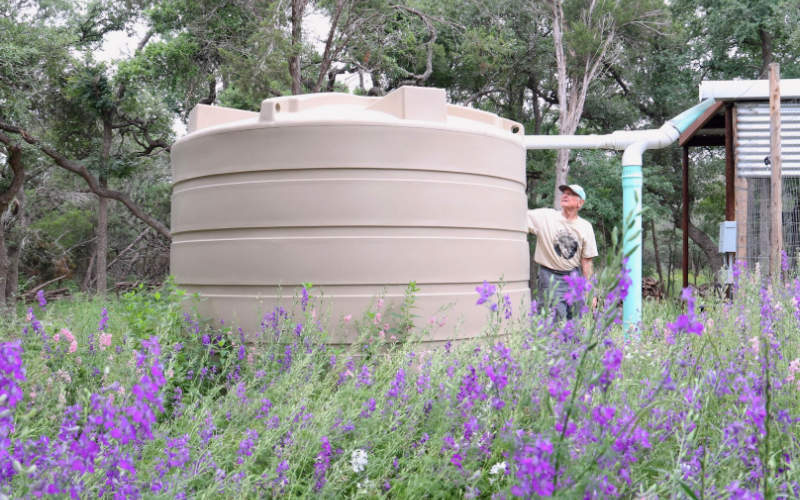
Rainwater Collection Tanks
Rainwater Tank and Harvesting Systems
Rainwater collection tanks offer a smart, reliable way to store and reuse rainwater for homes, businesses, and farms. These rainwater storage tanks help you save water, lower utility costs, and support sustainable practices. Whether you're a homeowner looking to water your garden, a business working on green building goals, or a farmer needing extra irrigation water, our rainwater harvesting systems are built to perform. New to stored-water systems? Start with our plain-English guide on how does a cistern work, or browse the full range of cistern tanks for every configuration we carry. Below, compare tank materials and sizes, then request a quote when you're ready.
Looking for rainwater storage solutions? We can help! Call us at 1-863-270-8118 or contact us to discuss your needs.
Shop Rainwater Collection Tanks by Material
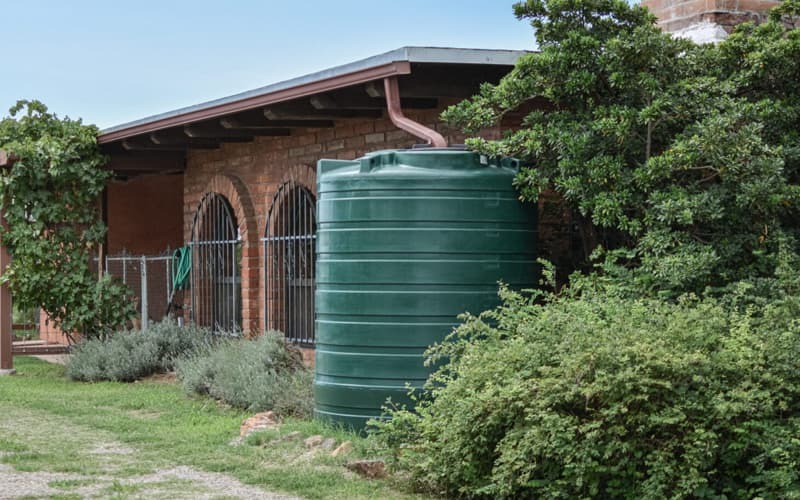
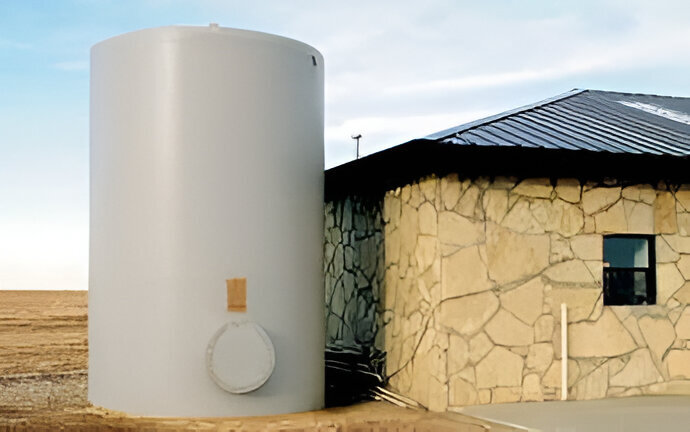
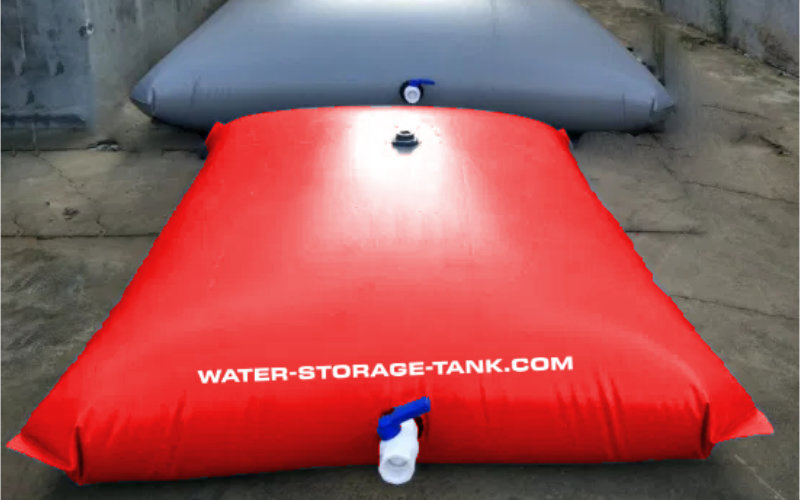
Every project starts with material and placement. Our rainwater harvesting tanks are available in UV-stabilized plastic, corrugated steel, fiberglass, and flexible bladder styles, in above-ground and underground configurations. Pick the category that fits your site, or call and we'll match you to the right tank.


How Rainwater Harvesting Works
Every rainwater harvesting setup does the same five things in the same order. Understanding the sequence makes it easier to see where a tank fits, and which of the surrounding components you still need to specify before anything gets installed.

1. Catchment
The catchment surface is almost always a roof. Metal roofing sheds the cleanest water and is the usual choice on agricultural and commercial buildings. Asphalt shingle works and is common on residential sites. Composition and condition of the surface affect what ends up in the tank, so the roof is worth assessing before the tank is selected, not after.

2. Conveyance
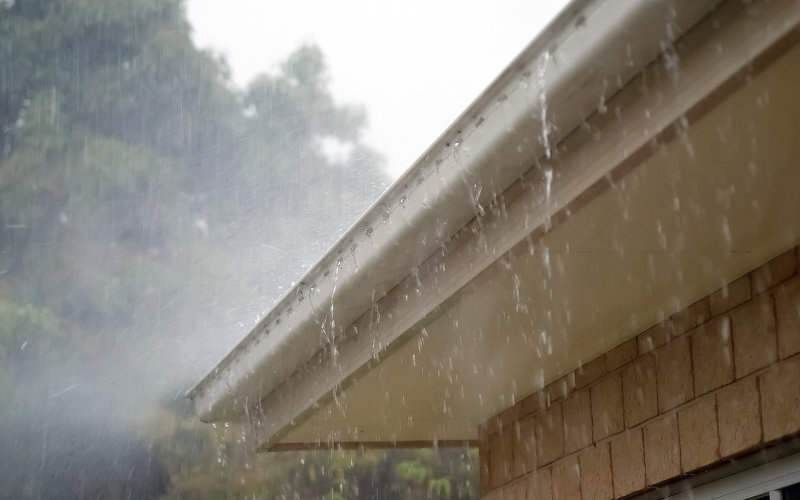
Gutters and downspouts move water from the roof to the tank. Gutter guards or leaf screens at this stage keep the bulk of the debris out of the system entirely, which reduces how hard everything downstream has to work. Undersized gutters are a common failure point on large catchment areas, because water sheets over the edge during exactly the heavy storms you were hoping to capture.
3. First Flush and Filtration
The first water off a roof carries the most dust, pollen, bird droppings and grit. A first flush diverter sets that initial volume aside before the rest reaches the tank. Downstream of the diverter, a leaf eater or inline screen catches what is left. This stage is the single biggest factor in how clean your stored water stays and how often the tank needs servicing.
4. Storage
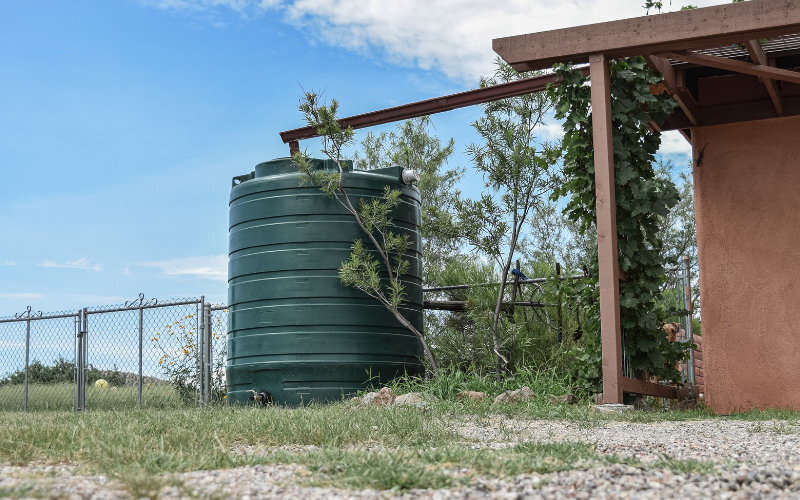
The tank is where captured water waits until you need it. Material and placement are the two decisions that matter most, and they are usually driven by the site rather than by preference. Compare the options in the material section above, or call and describe the site and we will match you to the right vessel.
5. Distribution
Gravity feed works where the tank sits above the point of use. Most installations use a pump, sized to the flow and pressure the end use requires. An overflow line is required regardless of how water leaves the tank, and it needs to be routed away from foundations and footings before the first storm, not after.
Sizing the tank to your roof area and rainfall is a separate calculation. Run the numbers with the rainwater harvesting calculator before you commit to a capacity.
Rainwater Harvesting for Water Conservation
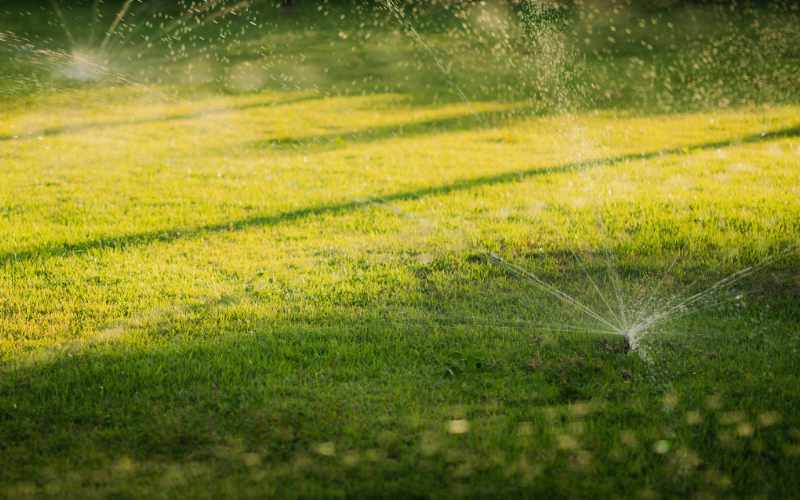
Rainwater is the one water supply on a property that arrives without a meter attached to it. Capturing it turns a cost line into an asset, and it does so with equipment that has no moving parts to speak of and a service life measured in decades. That combination is why water conservation tanks show up on projects driven by budget just as often as on projects driven by environmental goals.
Reducing Demand on Municipal Supply
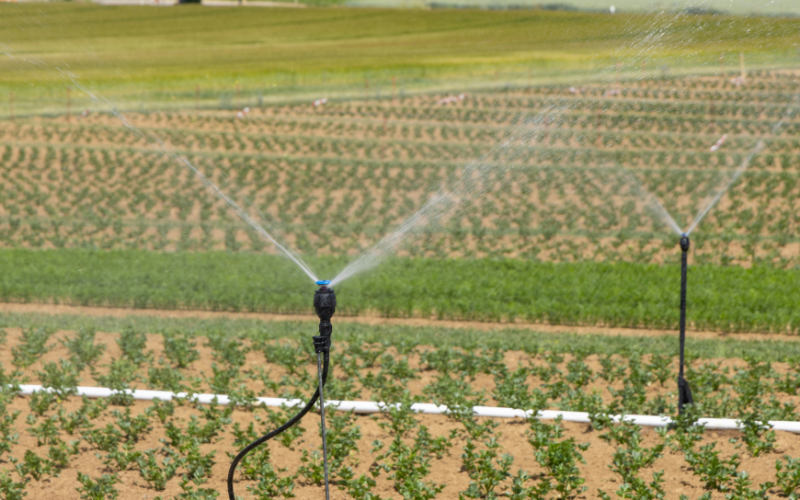
Irrigation, washdown, livestock water, dust suppression and toilet flushing rarely need treated municipal water, yet on most sites that is exactly what they get. Shifting those uses onto captured rainwater cuts metered consumption without changing how anything operates. On properties with high outdoor demand, the seasonal difference is the largest single saving a storage tank delivers.
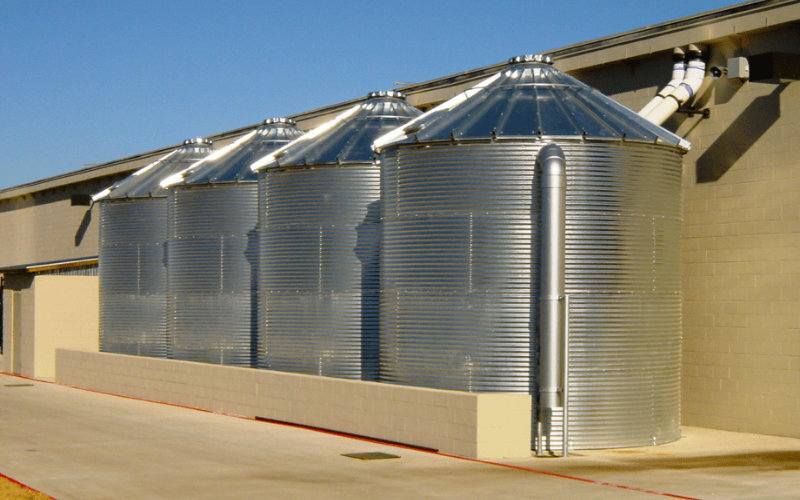
Rainwater Recycling and Reuse
A rainwater recycling tank holds captured water between the storm that supplies it and the day you need it, which is what makes reuse practical rather than opportunistic. Stored rainwater is handled as non-potable by default and suits irrigation, equipment washdown, cooling makeup and emergency reserve without further treatment. If drinking use is the goal, confirm the potable rating on the tank and every fitting in the line, and check what your jurisdiction requires before you install.
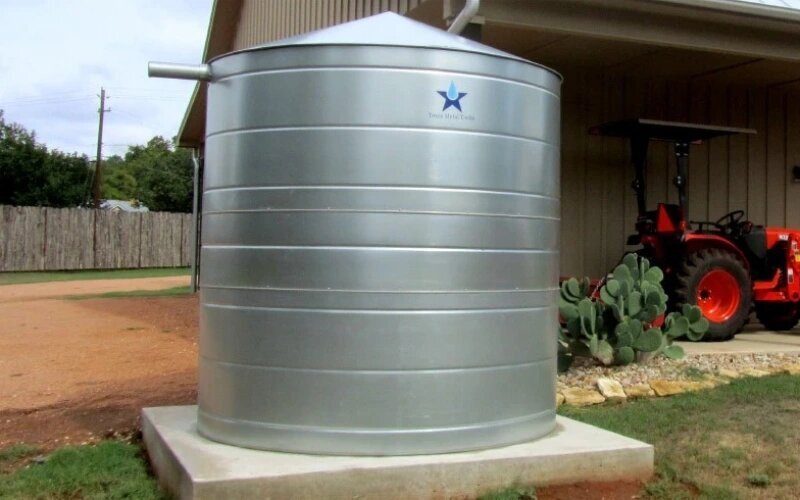
Stormwater and Site Impact
Every gallon held in a tank is a gallon that does not run off the site during a storm. On properties with large roof areas, capture reduces the peak volume reaching drains, ditches and neighboring ground. That makes rainwater storage useful on sites where runoff is a practical problem, not only on sites where conservation is the stated objective.
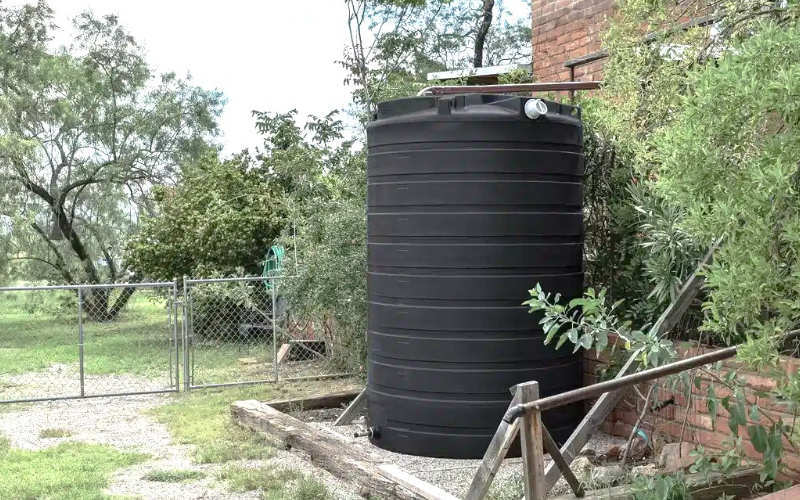
Choosing Sustainable Water Tanks
The most sustainable tank is the one that does not need replacing. Look at UV stability for above-ground plastic, coating and gauge on steel, and burial depth ratings on underground vessels, then match the vessel to the exposure it will actually see. Eco-friendly water tanks that fail early cost more in materials over twenty years than a correctly specified vessel does up front. Browse the material options above, or call and we will work through the site conditions with you.
Whether you're looking for above-ground or underground solutions, our rainwater storage tanks are engineered to handle diverse climates and conditions. Each tank is built for durability and performance, ensuring reliable storage for irrigation, livestock, washdown and emergency reserves. Collected rainwater is treated as non-potable by default. If you intend to use stored rainwater for drinking, confirm the potable rating on the specific tank and fittings you select, and check your local requirements before installing. With customizable sizes and features, our tanks provide eco-friendly solutions for water conservation. By investing in our rainwater harvesting tanks, you not only reduce your environmental footprint but also save on water costs and ensure a dependable supply of water year-round. Designed for easy installation and maintenance, these tanks are a cost-effective solution for anyone seeking sustainable water storage.
Rainwater Collection Tank FAQs
How much rainwater can I collect from my roof?
Roof area and local rainfall set the ceiling. A larger catchment surface and a wetter climate both raise the volume available, and no realistic system captures all of it, because first flush diversion, overflow during heavy storms and evaporation all take a share. The figure worth knowing is what your specific roof can supply across a year, not a rule of thumb. Run your roof dimensions and location through the rainwater harvesting calculator to get that number before you choose a capacity.
Is collected rainwater safe to use?
Collected rainwater is handled as non-potable by default. In that condition it suits irrigation, livestock water, equipment washdown, dust suppression, toilet flushing and emergency reserve, which covers the majority of what harvested water gets used for. Drinking use is a different standard. It requires treatment appropriate to the water source and it requires potable-rated components throughout, meaning the tank, the liner where one is used, and every fitting in the line. Confirm the potable rating on the specific products you select rather than assuming it, and check what your state and local requirements allow before you install. Rules on potable rainwater use vary considerably by jurisdiction.
What size rainwater tank do I need?
Size follows three inputs: how much water your roof supplies, how much you use, and how long a dry spell you need to cover. A tank sized only to the roof will overflow constantly if your demand is low, and a tank sized only to demand will sit empty if the supply cannot refill it between draws. The gap you are really sizing for is the longest dry stretch you need to ride out. Work through the numbers with the rainwater harvesting calculator, then call us with the result and we will confirm the capacity against what is available in the material you have chosen.
Should a rainwater tank go above ground or underground?
Above ground is simpler, cheaper to install and far easier to inspect, clean and repair, and it can gravity feed if the tank sits above the point of use. The tradeoffs are that it occupies usable space, it is exposed to sunlight and temperature swings, and it is visible. Underground frees the surface entirely, keeps stored water cooler and out of the light, and removes the tank from view, at the cost of excavation, a pump for delivery, and much harder access if anything needs attention later. Site conditions usually decide it rather than preference: available footprint, water table depth, soil and frost line, and whether heavy equipment can reach the location. Compare the options in underground rainwater tanks, or call and describe the site and we will tell you which configuration fits.
Looking for rainwater storage solutions? We can help! Call us at 1-863-270-8118 or contact us to discuss your needs.