
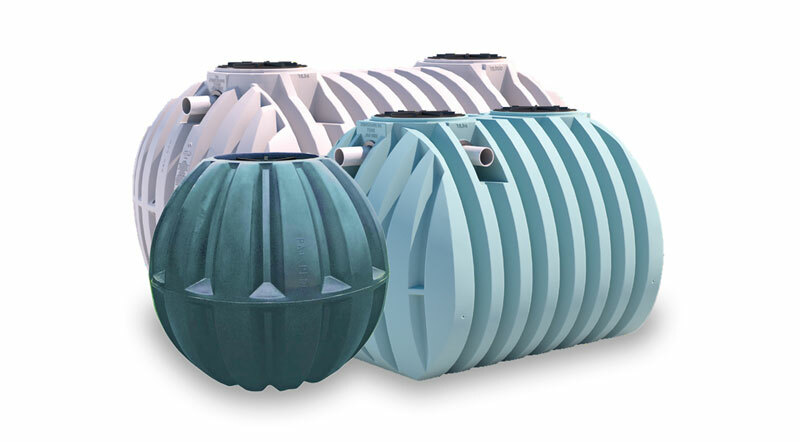
SEPTIC TANKS
Septic Tanks & Pump Tanks
IAPMO-Certified, State-Approved Underground Septic Tanks for Installers & Property Owners
Looking for septic tanks for your home or project? At Water-Storage-Tank.com, we supply heavy-duty poly septic tanks and underground septic tanks for both residential and light commercial septic systems. Our plastic septic tanks are strong, reliable, and engineered to handle demanding soil and site conditions. Whether you’re installing a new septic system or replacing an existing septic tank, we offer state-approved models that are easy to handle, easy to install, and built to provide long-term performance.
Looking for septic storage solutions? We can help! Call us at 1-863-270-8118 or contact us to discuss your needs.
How to Buy a Poly Septic Tank Online
Choose a septic tank type
Select a standard duty septic tank, heavy duty septic tank, or septic pump tank based on your septic system design.
Pick size & configuration
Use the quick sizing guide for typical homes, then match gallons, compartments and risers to your septic system layout.
Confirm state approval on the product page
On each septic tank product page, choose your state from the dropdown to verify that the underground septic tank is approved for installation in your state.
Choose Your Septic Tank Type
Start by choosing the type of underground septic tank your septic system requires. Poly septic tanks are available in standard duty and heavy duty designs, plus dedicated septic pump tanks and septic tank accessories.
Poly septic tanks designed for typical residential septic systems where the tank is buried in a yard or non-traffic area at standard depths.
Heavy duty underground septic tanks for deeper burial, challenging soil conditions, or where your installer specifies a stronger septic tank design.
Poly pump tanks used when effluent must be pumped uphill or to a raised mound or secondary treatment unit as part of the septic system.
Septic risers, lids, gaskets, outlet adapters and other septic tank accessories to complete your installation and simplify maintenance.
Quick Sizing Guide for Residential Septic Tanks
Local codes and designers ultimately determine septic tank size, but the table below shows common starting points for poly septic tanks used in residential septic systems.
| Home type | Typical number of bedrooms | Common septic tank sizes |
|---|---|---|
| Small home, cabin or cottage | 1–2 bedrooms | 500–750 gallon underground septic tank |
| Standard single-family home | 2–3 bedrooms | 750–1,000 gallon poly septic tank |
| Larger single-family home | 3–4 bedrooms | 1,000–1,250 gallon septic tank |
| Large home, multi-family or expansion | 4+ bedrooms | 1,500+ gallon septic tank or multiple tanks in series |
These ranges are general guidelines only. Always confirm final septic tank size and duty rating with your installer, designer and local authority having jurisdiction. When you open any tank below, select your state on the product page to confirm the septic tank is approved for use in that state.
Key Factors When Choosing a Septic Tank
A septic tank is a long-term investment in your septic system. Use these points to compare standard duty and heavy duty poly septic tanks and to choose the right underground septic tank for your property or project.
1. State approval & certifications
Septic tanks must be approved for use in the state where they are installed. Our poly septic tanks are supported with manufacturer approval letters by state and IAPMO certification where applicable. When you open any septic tank product page, choose your state from the dropdown to confirm that model is a state-approved septic tank and to access approval documentation for inspectors and permitting offices.
2. Standard duty vs heavy duty construction
Standard duty septic tanks are typically used for shallow burial in non-traffic areas such as yards and landscaped areas. Heavy duty septic tanks are designed for deeper burial or higher loads where your installer may require a stronger tank. Check your soil conditions, burial depth and any traffic loading with your installer to decide which septic tank construction is appropriate.
3. Gravity vs pump septic system
In a gravity septic system, effluent flows from the septic tank to the drainfield without a pump. In raised mound systems or where the drainfield is uphill, a separate septic pump tank or dosing tank is installed. Make sure your septic system design clearly notes whether you need a single septic tank, a septic tank and pump tank, or additional treatment components.
4. Access, risers & septic tank accessories
Plan for risers and lids that bring access to grade so that inspections, pumping and maintenance are safe and straightforward. Our septic tank accessories include compatible riser systems, septic tank lids, gaskets, outlet adapters and hardware kits designed to match the poly septic tanks on this page.
5. Future expansion & system upgrades
If you plan to finish a basement, add bedrooms or convert a seasonal cabin to full-time use, it may be smart to consider a slightly larger septic tank or plan space for an additional tank in the future. Talk with your designer or installer about long-term flow expectations and whether your septic system layout should include room for expansion.
6. Delivery, handling & installation support
Poly septic tanks are lighter than concrete septic tanks, making them easier to move on site with typical jobsite equipment. We can coordinate delivery for residential jobs and multi-tank commercial projects and provide installation guidelines from the septic tank manufacturer to support proper bedding, backfill and venting.
Septic Tanks for Contractors, Installers & Engineers
Many of our poly septic tanks are purchased by septic contractors, plumbing companies and onsite wastewater professionals who need reliable, state-approved septic tanks for multiple installations.
- IAPMO-certified poly septic tanks with available state approval letters.
- Standard duty and heavy duty septic tanks in common residential and light commercial sizes.
- Pre-plumbed configurations with inlet, outlet and inspection ports ready for septic system connections.
- Septic pump tanks and effluent pump chambers for pressure dosing and mound systems.
- Septic tank risers, lids and accessory kits matched to the tank models you specify.
- Project quotes for bundle pricing on multiple underground septic tanks and accessories.
Send us your septic tank schedule, site plans or a list of septic tank sizes and duty ratings. Our team will match available poly septic tanks, confirm state approvals and provide current lead times and freight estimates for your jobs.
Prefer to talk through a septic system package? Call us at 863-261-8388 to speak with a septic tank specialist.
Poly Septic Tank FAQs
Answers to common questions about plastic septic tanks and underground septic tank systems.
Are poly septic tanks approved in every state?
No. Septic tank approvals are handled state by state. Our manufacturers maintain approval letters by state for specific septic tank models. When you open a septic tank product page, use the state selector to confirm that the poly septic tank is approved for installation in your state and download approval documentation if needed.
How long do plastic septic tanks last?
When installed correctly according to manufacturer guidelines and local septic system codes, poly septic tanks offer a long service life comparable to other modern septic tank materials. Proper bedding, backfill, venting and regular septic system maintenance all contribute to the lifespan of the tank.
Can I install my own septic tank?
In most areas, septic system design, permitting and installation must be handled by licensed professionals and approved by the local health department or authority having jurisdiction. Use this page to understand septic tank options, then work with a qualified installer or designer to choose and install the correct underground septic tank for your property.
What is the difference between a septic tank and a pump tank?
A septic tank receives wastewater from the home and separates solids from liquids as part of the septic system. A septic pump tank (or dosing tank) holds clarified effluent and uses a pump to move that effluent to a drainfield, mound or advanced treatment system located at a higher elevation or farther from the home.
Looking for septic storage solutions? We can help! Call us at 1-863-270-8118 or contact us to discuss your needs.